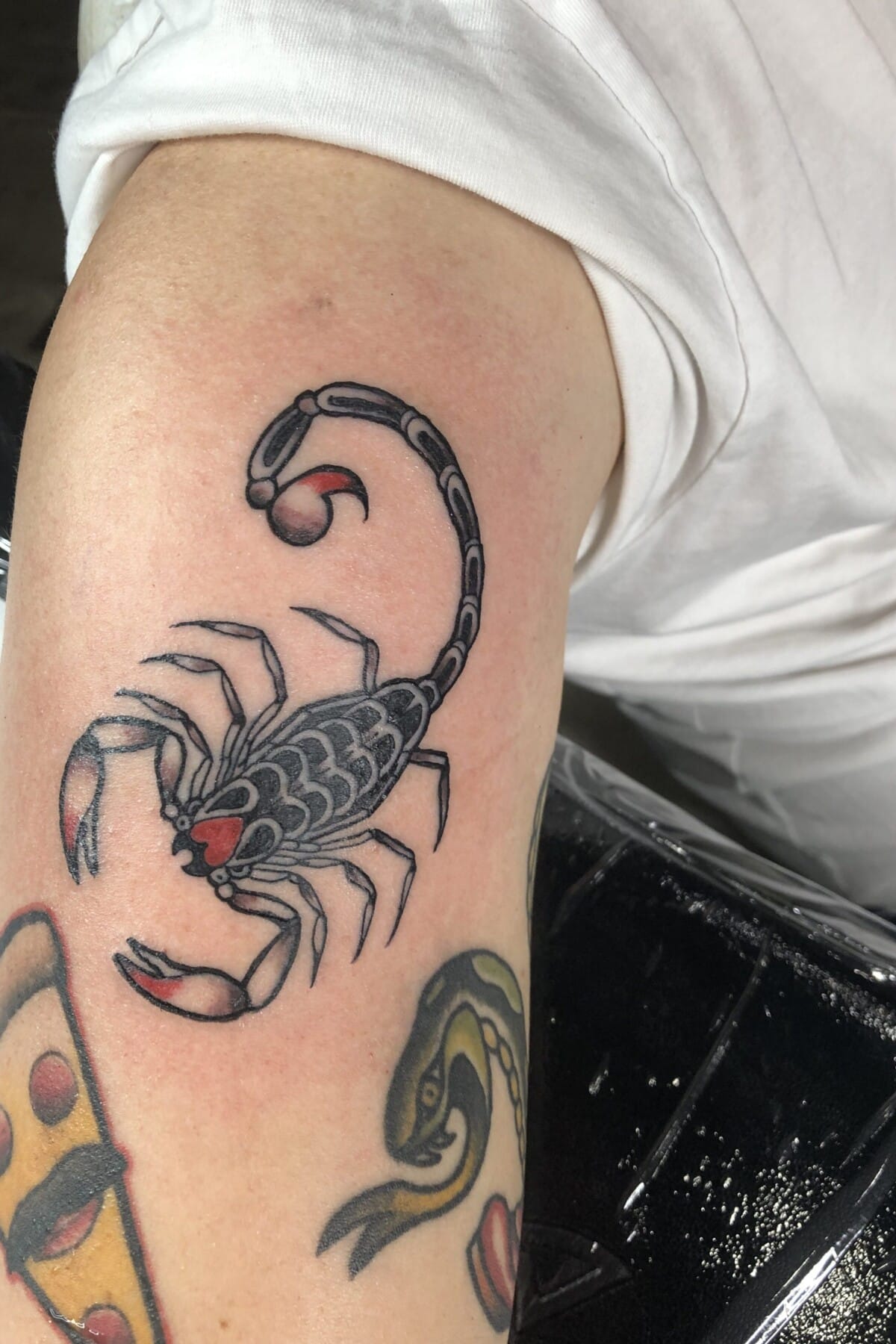
A good tattoo does not begin when the needle touches your skin. It starts with proper preparation, the right artist, and realistic expectations. It continues with how you sit through the session and how well you care for the tattoo afterward. After years of working with clients, one thing is always true: the best-healed tattoos usually come from people who listen, prepare, and keep their aftercare routine simple.
This guide explains what to do before, during, and after getting tattooed to protect your skin and give your new piece the best chance of healing cleanly. Always follow the specific instructions given by your tattoo artist. Every tattoo is different, and aftercare can vary based on the size, placement, style, skin, and type of covering used.
Do not choose an artist based on price alone. Look through portfolios and pay attention to the work itself. Check the linework, shading, color, placement, composition, and healed results when available.
Tattoo artists often specialize in different styles, including:
The right tattoo artist should understand the style you want and know how to make the design work with your body. A strong tattoo should look good on the day it is finished and continue to hold up as it heals and ages.
A consultation is when the tattoo starts to take shape. Bring your ideas, reference images, preferred placement, and any details that matter to you. Your artist can help you decide what will work, what needs adjusting, and how to make the design feel original.
During the consultation, discuss:
You do not need to arrive with a perfect drawing. A skilled tattoo artist can take your idea and create a piece that fits your skin, body shape, and personal style.
Do not come in on an empty stomach. Eat a proper meal before your tattoo session, especially if you are booked for several hours. Bring water and a small snack for longer appointments. You want your body focused on sitting through the tattoo, not reminding you that you skipped breakfast.
Drink enough water in the days leading up to your appointment. Well-hydrated skin is usually easier to work with than skin that is extremely dry or irritated. You can moisturize the area in the days leading up to the appointment, but do not apply heavy lotion or oil to your skin right before coming in. Arrive clean, comfortable, and ready.
Being tired makes everything feel harder. Get enough rest the night before your appointment. It will help you sit more comfortably, stay still, communicate clearly, and handle a longer session. Avoid booking a major tattoo after an overnight shift, a long trip, or a night out.
Do not come to your tattoo appointment under the influence of alcohol or recreational substances. A professional tattoo artist may refuse to tattoo someone who cannot safely give consent, sit properly, or follow instructions. Do not stop prescribed medication without speaking with your healthcare provider. Let your artist know before the appointment if there is anything that may affect the session.
Take a close look at the tattoo area before your appointment.
Contact your artist if the skin has:
We would rather reschedule than tattoo over skin that is not ready.
Usually, no. Do not shave the area unless your artist specifically asks you to. Shaving at home can cause razor burn, irritation, or small cuts. When hair needs to be removed, your artist can prepare the area safely at the studio.
Wear clean, loose clothing that gives your artist easy access to the tattoo area. Choose something comfortable and something you would not mind getting stained.
For an arm or shoulder tattoo, wear a sleeveless or loose short-sleeve shirt.
For a leg or thigh tattoo, wear loose shorts or pants that can be moved easily.
For a back tattoo, wear a loose shirt or button-up top.
For ribs, hips, or other private areas, ask your artist what clothing will provide access while keeping you comfortable.
For a foot or ankle tattoo, bring shoes that will not rub against the area afterward.
Bring:
Avoid bringing a large group. Too many people can crowd the work area and distract the artist.
Once you arrive, your artist will review the design, confirm the size and placement, prepare the skin, and apply a stencil when needed. Take time to look at the stencil. Check the position from different angles. Make sure you are comfortable with the size and placement before the tattoo begins. This is the time to speak up.
Movement affects the artist’s control. You do not need to sit like a statue for hours, but you should tell your artist before moving, adjusting your position, reaching for something, or standing up. Good communication keeps the session running smoothly and helps the artist work more accurately.
There is nothing wrong with asking for a short break. Let your artist know before you feel overwhelmed. We can stop at the right time, give you a chance to reset, and continue when you are ready. During a break, avoid touching the tattoo or anything in the work area.
Tattooing takes time. The length of the appointment depends on:
Allow enough time for design review, skin preparation, tattooing, cleaning, bandaging, payment, and aftercare instructions. A tattoo is permanent. It deserves patience.
Once the tattoo is finished, your artist will clean the area and apply a covering. That covering protects the tattoo from friction and external contact during the early stages of healing. Different coverings require different care. A traditional wrap and an adhesive healing film are not removed on the same schedule. Follow your artist’s exact instructions. Do not remove the covering early, and do not rewrap the tattoo unless your artist tells you to.
When it is time to remove the covering:
Some clear fluid, plasma, or excess ink may collect under the first covering. That can happen during early healing. When something looks unusual, or you are unsure, contact your artist.
Always wash your hands before touching the area. Use clean fingertips, lukewarm water, and mild, fragrance-free soap.
Do not use:
Do not scrub the tattoo. Rinse it completely, pat it dry, and allow it to finish drying before applying any recommended product. Your artist will tell you how often to clean it.
Use only the aftercare product recommended by your artist.
Apply a very thin layer. The tattoo should not feel greasy, soaked, or heavily coated.
More lotion does not mean faster healing.
Avoid heavily scented products or anything that causes burning, redness, or irritation.
Keep the routine simple.
Use only the aftercare product recommended by your artist.
Apply a very thin layer. The tattoo should not feel greasy, soaked, or heavily coated.
More lotion does not mean faster healing.
Avoid heavily scented products or anything that causes burning, redness, or irritation.
Keep the routine simple.
Do not submerge a fresh tattoo in:
You can shower and gently wash your tattoo. The problem is prolonged soaking. Wait until the tattoo has healed before swimming again.
Fresh tattoos and direct sunlight do not mix. Cover the tattoo with clean, loose clothing when you go outside. Do not apply sunscreen to unhealed skin unless a qualified professional advises you to. Once the tattoo has fully healed, use broad-spectrum SPF 30 or higher to help protect the color and detail.
Wear soft, loose clothing while the tattoo heals. Tight sleeves, waistbands, straps, shoes, or rough fabrics can rub the area and cause irritation.
Do not let pets lick, scratch, or lie directly against a new tattoo. Keep your clothes, towels, sheets, and bedding clean throughout the healing process.
Every tattoo heals differently. The process depends on the size, placement, style, skin, and how well the tattoo is cared for.
The tattoo may feel:
You may also notice mild redness or a small amount of clear fluid. Follow your artist’s instructions and avoid overhandling the area.
As the tattoo begins to heal, it may:
That appearance is temporary. Continue cleaning and moisturizing the area gently. Do not pull at the skin.
The tattoo will gradually become clearer as the skin settles. Do not judge the final result too early. Give the area time to heal before deciding whether any part needs a touch-up.
Contact your artist when you have questions about:
We would rather answer a question early than have a client guess.
Some soreness, redness, itching, peeling, and light scabbing may happen during normal healing.
Contact a medical professional if you notice:
Your tattoo artist can answer general aftercare questions, but an artist cannot diagnose or treat an infection. This guide provides general tattoo care information and does not replace professional medical advice.
Once the tattoo is healed, continue taking care of the skin.
Sun protection matters. A well-done tattoo can still fade when it is repeatedly exposed to UV rays.
A strong tattoo comes from three things: the right artist, proper preparation, and consistent aftercare. Listen to your artist, keep your routine simple, and ask questions when something is unclear. We want your tattoo to look good when you leave the shop and continue looking good long after it heals.
Iron Palm Tattoos & Body Piercings is located in downtown Atlanta, GA. Call or text 404-973-7828 to discuss your tattoo idea, meet with an artist, or plan your next appointment. Tattoo consultations are free, and walk-ins are always welcome.
Eat a full meal, drink water, get enough sleep, shower, and wear clean, loose clothing. Arrive sober and bring a valid photo ID.
No, unless your artist asks you to. Your artist can safely prepare the area when hair removal is necessary.
Wear loose clothing that gives the artist access to the tattoo area. Choose something comfortable that you would not mind getting stained.
Follow the exact instructions given by your artist. Different coverings have different removal times.
Wash your hands first. Use lukewarm water, mild fragrance-free soap, and clean fingertips. Rinse thoroughly and pat the tattoo dry.
Use only the aftercare product recommended by your artist, and apply a thin layer.
Light peeling, flaking, itching, and scabbing may happen during healing. Do not scratch or pick at the skin.
Yes, but avoid soaking the tattoo and do not let strong water pressure hit it directly.
It depends on the tattoo’s size, placement, and healing progress. Avoid heavy sweating, friction, and stretching during early healing.
Wait until the tattoo has healed before swimming or soaking it. Ask your artist when you are unsure.
Do not apply sunscreen to fresh, unhealed skin. Once healed, use broad-spectrum SPF 30 or higher.
Healing time varies. The surface may begin settling within several weeks, but the tattoo’s size, placement, skin, and aftercare can affect the timeline.
A healing tattoo may look cloudy or less vibrant while the skin peels and settles. The artwork should become clearer as healing continues.
Contact a medical professional if pain, redness, heat, swelling, or drainage becomes worse, or if you develop a fever or feel unwell.